The Kansas State Agriculturist
Shaped by Students, Rooted in History
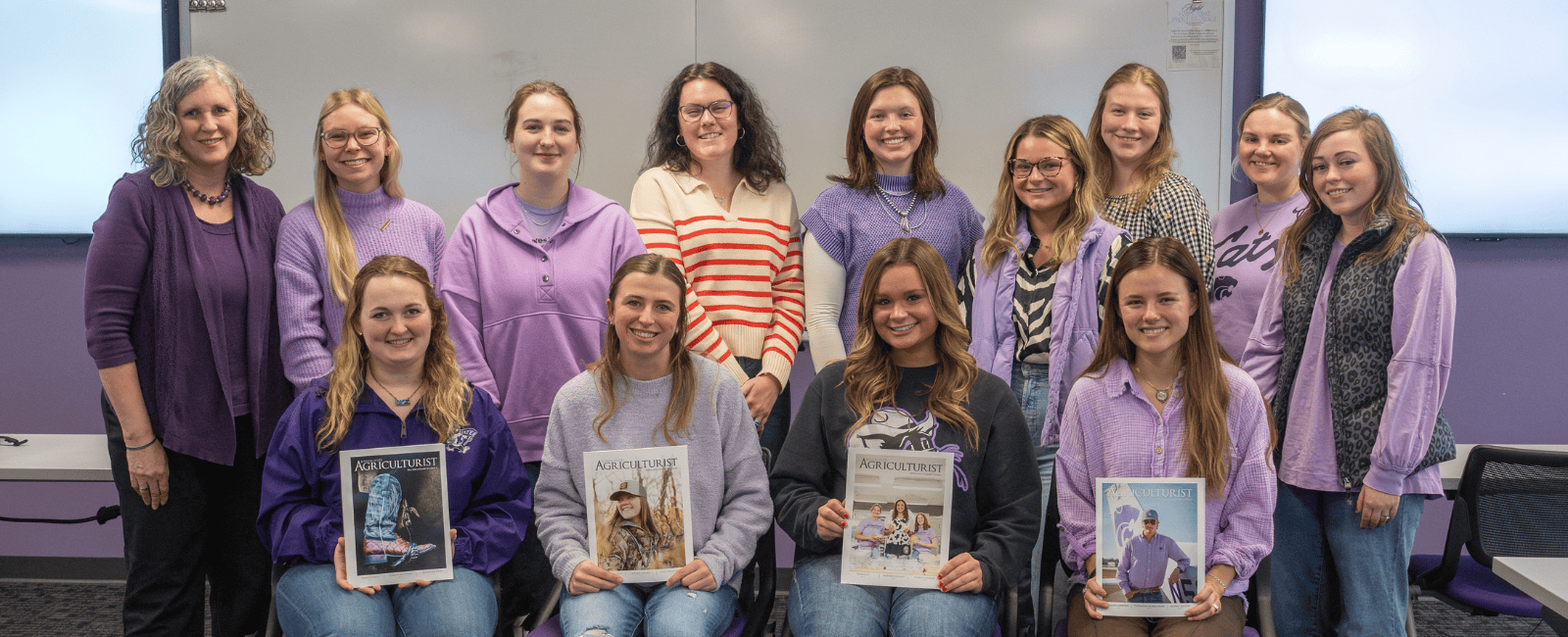
The Agriculturist is written and designed each semester by students in the Agricultural and Natural Resources Communications department to tell the stories of the Kansas State University College of Agriculture
The Kansas State Agriculturist is a student-run publication created within the College of Agriculture. Student publications have been a part of the College of Agriculture since 1921; however, the magazine wasn’t given its current name until 1969. Since its inception, the Kansas State Agriculturist has been dedicated to informing students, faculty and staff about the people, research and activities connected to the college. The publication that started as a four-page newsletter gradually evolved into a magazine, with its largest issue to date reaching 120 pages. From black-and-white to full color, The Kansas State Agriculturist reflects the growth and development of the students who contribute to it each semester.

Cultivating Long-Lasting Skills
The Kansas State Agriculturist is the final product of a class taught within the agricultural and natural resources communications program in the K-State College of Agriculture. The magazine class is required for all students in the major; still, the doors to the classroom are always open for non-major students across the college who have a passion for writing and telling stories about the industry and the people who are a part of it. The class is designed to help students enhance their skills in writing, storytelling, design and photography.
When Bill Spiegel, a 1993 agricultural journalism alumnus, took the class he never imagined the opportunities that would await him after graduation. Since graduating, Spiegel has worked for several publications and is currently working as a contributing editor for The Furrow, a John Deere publication.
“When I came to K-State, I was still trying to figure out what I wanted to do. When I found agricultural journalism and the courses that came with it, the magazine class it included just felt right. I wouldn't be where I am today or have the career I have had without the skills that being a part of the magazine taught me,” Spiegel says.
 One goal of the magazine class is to leave a lasting impact on the students. No one knows that better than Lauren Gatz, 2025 lead student editor, who contributed to four magazines during her time at K-State.
“I have been blessed to have had the opportunity to work with four leadership teams who have all been phenomenal. The magazine has provided me a chance to make connections and produce something truly incredible that I can have in my portfolio and showcase a wide variety of my skills,” Gatz says.
Halley Nett, a 2007 agricultural communications and journalism alumnus, is currently serving as a process implementation lead at Cargill. Halley credits her ability to work in sales and connect with her customers to her time working on the Kansas State Agriculturist and serving as the advertising manager on the leadership team.
“I hadn’t originally planned to make a career out of sales, but working for the Agriculturist and selling ads prepared me well for it,” Nett says. “Working with the leadership team and the other staff prepared me to lead people and approach different personalities.”
The Legacy and Evolution of The Agriculturist
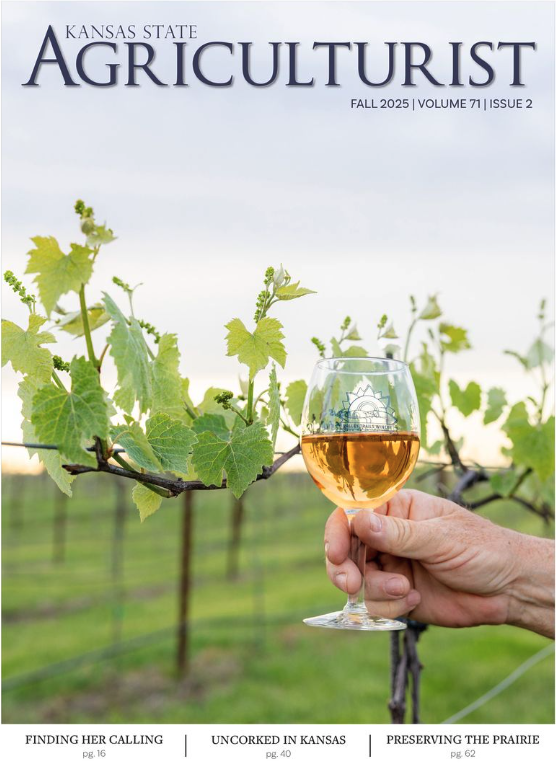
The mission of the Kansas State Agriculturalist has always remained the same: to create a student-produced product that tells the story of the College of Agriculture. In 1921, it was simply a four-page newsletter, but as times changed, so did the magazine. In 1969, the newsletter evolved into a magazine named the Kansas State Agriculturist, printed in black-and-white. In 1992, it started printing in spot color. In 2003, it was printed in full color. In 2023, the students began producing videos to accompany some of their stories.
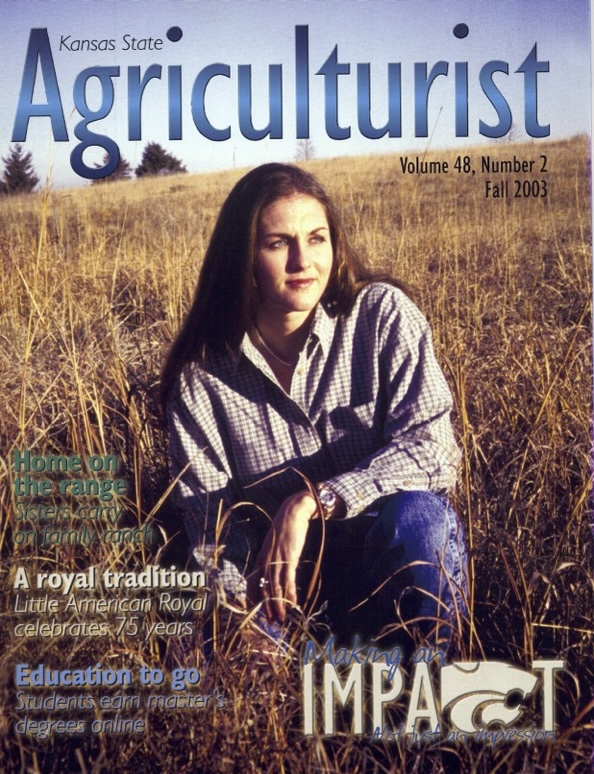
Lisa Moser, class instructor and magazine advisor has been with the magazine since 2003. “The magazine has gone through many student-led changes over the years and when they come to me with a new idea my first instinct is to say, ‘Let’s figure it out.’ That approach began when the first editor of my first magazine, Shannon (Hartenstein) Krueger, came to me and said that she wanted to make the magazine full color, —we figured it out.”
Over the years, the process of producing the magazine has varied for each leadership team. Nett can remember having many late nights in the Umberger Hall student work room computer lab to build and edit the magazine until it was deemed perfect.
“We spent many hours in Umberger Hall editing and compiling the magazine. Some of my best moments at K-State happened within those walls with my leadership team and the magazine,” Nett says.
For Gatz, the process is a bit different; as the lead editor and graphic designer, she shoulders most of the responsibilities of building the magazine. However, when she has the opportunity to lay it out for all the students to see their work come together, that's when all her time and effort are worth it.
“Creating a magazine like the Agriculturist can be stressful, and it’s easy to ask yourself constantly, ‘Is this all worth it?’ But when I get to hold the magazine in my hands and I see the look on people’s faces and know they are going home and saying, ‘Look, mom, I wrote this,’ I know all of the hours put in are worth every minute,” Gatz says.
Being a K-State Wildcat means being part of a family and a proud community. For those from smaller departments, such as Agricultural Communications and Education, that pride can be even stronger.
“To look at the Agriculturist now and see how far it has come since I was in school is amazing. Every year, they take the skills and leadership and not only create a great product but a fascinating read and an incredible thing for our university to advertise. I am so proud of them, and I am proud to be an alumnus. When I see K-State students at events, I am proud to be a K-Stater and watch them take over the world,” Spiegel says.
Hands-on learning is a vital part of learning and applying the skills taught in college. During the students’ time working on the magazine, they have the opportunity to see it come to life and be sent across the state of Kansas and the country so others can see the work they have produced. The Kansas State Agriculturist is an award-winning publication, earning numerous awards for both its content and the students who make it happen. The Kansas State Agriculturist is proudly made by students and designed to advocate for the College of Agriculture and the industry it supports.